
Skincare Products
Skincare products.
No products in this category yet.
Scar and skin care after surgery
Why scar care runs alongside compression
Compression manages swelling and supports the tissue underneath; topical scar care works on the surface the scar is forming in. Silicone in particular is the most studied non-invasive option for softening and flattening raised scars, and it is usually started once the wound has fully closed. The two are complementary, which is why surgeons commonly prescribe them together.
Silicone sheets and silicone gel
Sheets are held against a flat, reachable scar and are reusable after washing. Gel dries into a thin invisible film and suits joints, the face, hairy skin and anywhere a sheet will not stay put. Neither is stronger than the other, so the choice is about where the scar is and which one you will realistically keep using every day.
Sun protection is part of the treatment
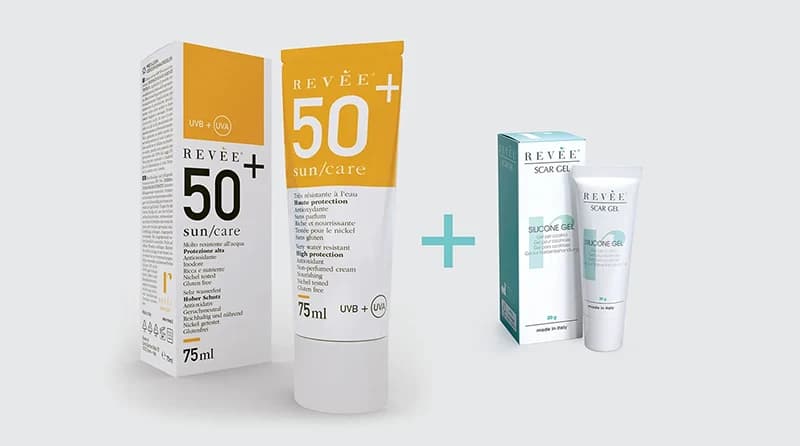
New scar tissue pigments far more easily than surrounding skin, and in this climate that happens quickly. A high-factor sunscreen over the scar for at least the first year is what keeps it from darkening permanently. This is the step most people skip and the one most often regretted.
Moisturising and skin condition
Skin under a compression garment is worn on and washed often, and dry skin makes a garment uncomfortable enough that people stop wearing it. A light, non-greasy lotion applied at night, after the garment comes off, keeps the skin in condition without leaving a residue that degrades the fabric.
When to start and how long to continue
Start only once the wound is fully closed with no scabs or open areas, and follow the timeline your surgeon or dermatologist gave you. Scar treatment is measured in months rather than weeks; most protocols run for several months of daily use before the result is judged.
Frequently asked questions
Only after the wound has closed completely, with no scabs, crusting or open areas. Applying silicone to a wound that is still healing risks irritation and infection. Your surgeon or dermatologist decides that date, and it is commonly two to three weeks after surgery.
Both deliver the same silicone effect, so pick by location and by what you will keep using. Sheets suit flat, reachable scars such as an abdominal incision and are reusable. Gel dries invisible and works better on the face, on joints that bend, on hairy skin and under clothing.
Most protocols run for several months of consistent daily use, and mature scars can keep improving for a year or more. Stopping after a few weeks is the usual reason people see no result. Follow the schedule your clinician set.
Fabric offers some protection but not enough for a scar that is still maturing, and any scar exposed while dressing, driving or outdoors needs cover. Applying a high-factor sunscreen over the scar for at least the first year is the reliable way to prevent permanent darkening.
Apply it at night after the garment comes off, and let the skin absorb it fully. Creams and oils worn under a garment break down elastane over time and shorten the garment's working life, so the surface should be dry before the garment goes back on.
No. Nothing available over the counter erases a scar. Consistent silicone use and sun protection can make a scar flatter, softer, paler and less itchy, which is the realistic goal. If a scar is thickening, spreading or painful, have it looked at rather than treating it at home.